Why supermarket dairy lighting must balance visibility with food preservation
The Critical Role of Lighting in Dairy Displays
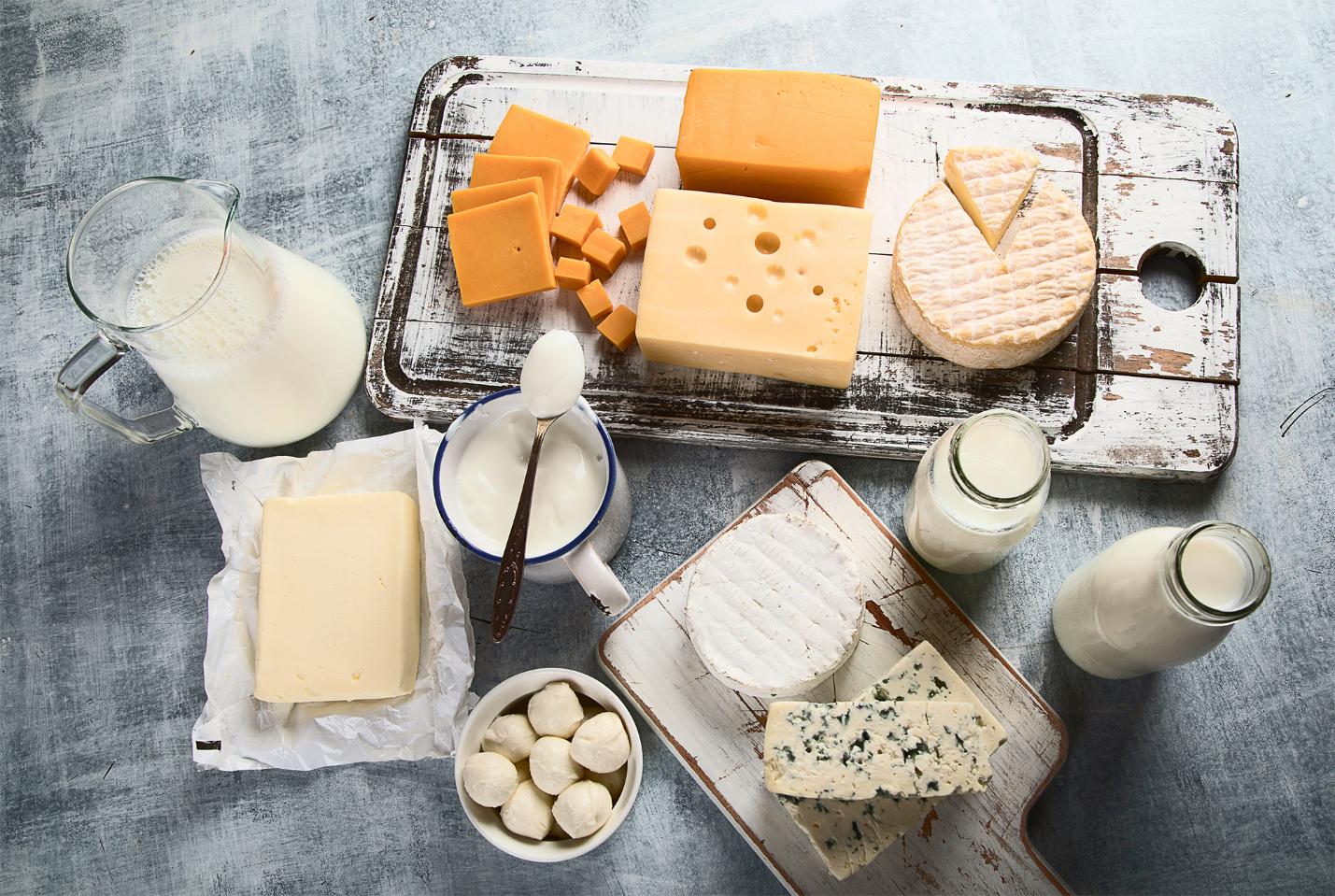
In modern supermarkets, dairy products such as milk, yogurt, cheese, and cream are among the most frequently purchased items. Because these products are typically stored in refrigerated display cases and illuminated for long hours each day, supermarket dairy display lighting plays a significant role in maintaining both product quality and visual appeal.
Consumers rely heavily on visual cues when selecting dairy products. They look for clean packaging, bright colors, and an overall impression of freshness. When dairy displays appear well-lit and organized, shoppers are more likely to feel confident about the products they are purchasing.

However, lighting in dairy displays is not just about making products visible. The energy emitted by lighting systems can interact with the chemical compounds inside dairy products. This interaction can trigger reactions that affect flavor, nutritional value, and shelf life.
Scientific research has demonstrated that exposure to lighting can cause photodegradation in fresh foods, which leads to changes in nutrients, proteins, and fats over time.
For supermarkets that display dairy products under constant illumination, selecting the correct lighting technology becomes essential for preserving freshness.
How Light Affects Milk and Dairy Products
Dairy products contain sensitive compounds that react strongly to light exposure. One of the most well-known examples is riboflavin, also known as vitamin B2. Riboflavin absorbs light energy very easily, which can trigger oxidation reactions in milk.
When riboflavin absorbs light, it can initiate a process known as photo-oxidation. This reaction affects the fats and proteins in milk, producing compounds that alter the flavor of the product. The resulting taste is often described as “light-struck” flavor.
Photo-oxidation can also lead to nutrient loss. Vitamins and proteins may degrade over time when exposed to continuous lighting. This means that lighting systems in dairy displays must be carefully designed to minimize damaging wavelengths while maintaining adequate visibility.
These reactions occur gradually, but because dairy products may remain on display for extended periods, the cumulative effect of lighting exposure can become significant.
Why Light Spectrum Matters in Dairy Lighting
The light spectrum emitted by supermarket lighting systems determines how much energy reaches the food. Different wavelengths carry different amounts of energy, and some wavelengths are more likely to trigger photochemical reactions than others.
Traditional lighting technologies used in grocery stores often emit broad spectrums that include ultraviolet radiation and high-energy visible light. These wavelengths can accelerate oxidation reactions in dairy products.
When dairy products are exposed to these wavelengths, several changes may occur:
- degradation of vitamins such as riboflavin
- oxidation of fats in milk and cheese
- development of off-flavors
- reduced nutritional quality
Because of these risks, modern supermarkets increasingly use LED lighting systems designed specifically for food displays.
Heat Emission and Refrigeration Efficiency
Another factor that affects dairy products in display cases is heat generated by lighting. Traditional lighting technologies such as fluorescent and halogen lamps produce significant amounts of heat as they operate.
This heat can raise the temperature inside refrigerated display cases, which may accelerate chemical reactions and microbial growth.
Maintaining consistent refrigeration temperatures is essential for preserving dairy products.
LED lighting offers a major advantage in this area because it produces far less heat than traditional lighting systems. Lower heat output helps maintain stable refrigeration conditions and reduces the workload on cooling equipment.
Energy-efficient LED lighting can also reduce electricity consumption in supermarket refrigeration systems while supporting sustainability initiatives.
For grocery retailers, this combination of energy efficiency and food preservation makes LED lighting an attractive solution.
LED Lighting and the Evolution of Supermarket Displays
Over the past decade, LED lighting has become the dominant technology used in supermarket lighting design. LEDs offer a range of benefits, including energy savings, longer lifespan, and better control over light output.
However, not all LED lighting is ideal for food displays. Some LED systems still emit wavelengths that accelerate oxidation reactions in sensitive foods such as dairy products.
This has led to the development of food-specific LED lighting technologies that are engineered to minimize harmful radiation while maintaining excellent visibility.
Specialized lighting systems designed for food displays can help protect perishable products while enhancing the shopping experience.
Promolux Balanced Spectrum LED Technology
Promolux lighting technology is specifically designed for fresh food displays in supermarkets. Unlike conventional lighting systems, Promolux LEDs use balanced spectrum technology that reduces harmful wavelengths responsible for food deterioration.
Balanced spectrum lighting filters out portions of the visible spectrum that accelerate oxidation reactions. By reducing these wavelengths, Promolux lighting helps protect sensitive dairy products from photochemical damage.
Promolux LED systems are also engineered to minimize both photo-oxidation and lipid oxidation in fresh foods.
This means dairy products displayed under Promolux lighting are less likely to experience flavor changes or nutrient loss caused by light exposure.
Another advantage of Promolux lighting is its ability to enhance the natural colors of products without distorting them. The lighting provides excellent color rendering, allowing dairy packaging and product labels to appear clear and vibrant.
This balance between food protection and visual merchandising is what makes specialized supermarket lighting technologies so valuable in retail environments.
Benefits of Food-Safe Dairy Lighting
When supermarkets adopt specialized LED lighting designed for dairy displays, they often experience improvements in both product quality and operational efficiency.
The most significant advantages include:
- better preservation of milk flavor and nutrients
- reduced oxidation in dairy fats
- longer shelf life for displayed products
- lower heat output supporting refrigeration efficiency
Lighting systems that protect dairy products from photochemical reactions can help retailers reduce waste while maintaining consistent product quality.
Balanced spectrum lighting also ensures that dairy products appear clean and appealing to customers, which strengthens consumer confidence in the store.
Improving Customer Trust Through Accurate Lighting
Consumers expect dairy products to appear fresh, clean, and safe. Lighting that exaggerates colors or creates glare can make packaging difficult to read or distort the appearance of the product.
High-quality supermarket lighting should provide accurate color rendering so customers can evaluate products correctly. When shoppers can clearly see product packaging and expiration dates, they feel more confident about their purchasing decisions.
Promolux lighting systems are designed to showcase products in their natural colors, allowing customers to see dairy products exactly as they are. This transparency helps build trust between retailers and consumers.
Reducing Shrink and Increasing Profitability
Product shrink is a major concern in supermarket operations. When perishable items lose quality before they are sold, retailers must discount or discard them. Lighting that accelerates oxidation reactions can contribute significantly to this problem.
By contrast, lighting systems designed to protect food quality can help extend shelf life and reduce waste. Balanced spectrum LED lighting helps slow the reactions that cause flavor deterioration and nutrient loss in dairy products.
Retailers who invest in specialized supermarket lighting technologies often see improvements in inventory turnover and reduced shrink in refrigerated departments.
Sustainability and Energy Savings
Energy consumption is another important factor in supermarket lighting design. Refrigerated display cases require significant electricity to maintain low temperatures. Lighting systems that generate excessive heat increase the load on refrigeration equipment, leading to higher energy costs.
LED lighting reduces energy consumption by using less electricity and producing less heat. Lower heat output also reduces the workload on refrigeration compressors, which improves overall efficiency.
For supermarkets seeking to reduce their environmental impact while improving operational performance, upgrading to energy-efficient LED lighting represents a practical and sustainable solution.
Conclusion
Dairy displays are among the most sensitive areas in supermarket lighting design. Exposure to improper lighting can trigger photochemical reactions that degrade nutrients, alter flavors, and shorten shelf life.
Modern LED lighting technologies provide significant advantages over traditional lighting systems, particularly when they are engineered specifically for food display environments.
Promolux balanced spectrum LED lighting offers a scientifically designed solution that reduces harmful wavelengths while maintaining accurate color rendering and minimal heat emission. By protecting dairy products from photo-oxidation and improving visual presentation, specialized supermarket lighting systems help retailers preserve freshness, reduce waste, and enhance customer trust.